
From the Newsroom
![]()
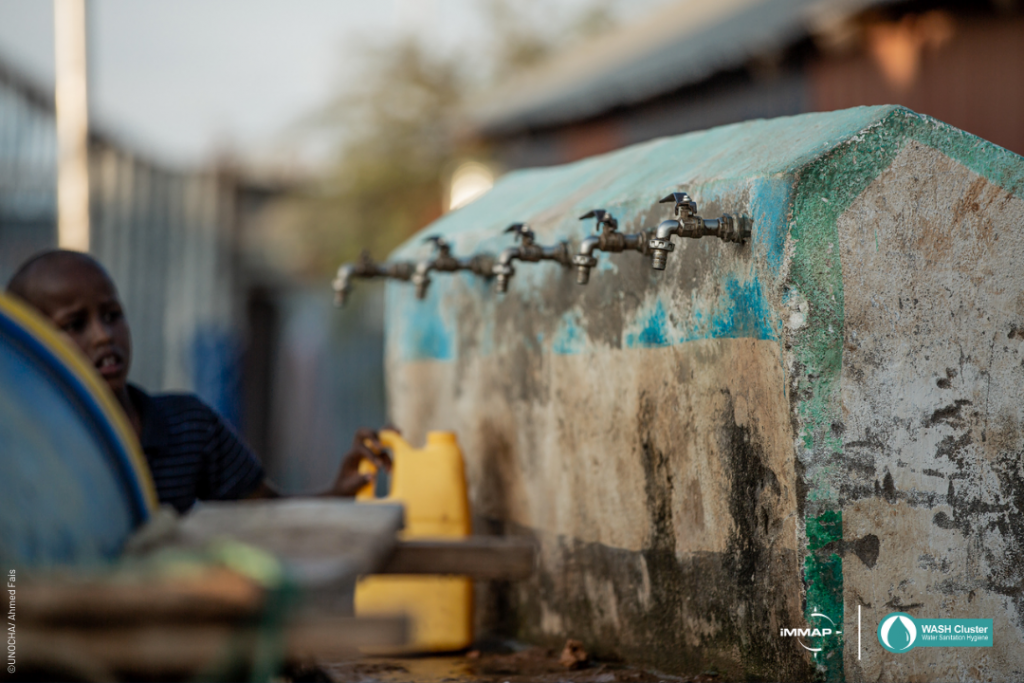
iMMAP Inc. partners with leading organizations to address global WASH coordination needs
As an estimated 168.2 million people will need humanitarian WASH assistance in 2024, iMMAP Inc. proudly joins the Global WASH Cluster (GWC) Field Support Team (FST) Consortium, emphasizing our unwavering commitment to crucial global WASH initiatives.
![]()
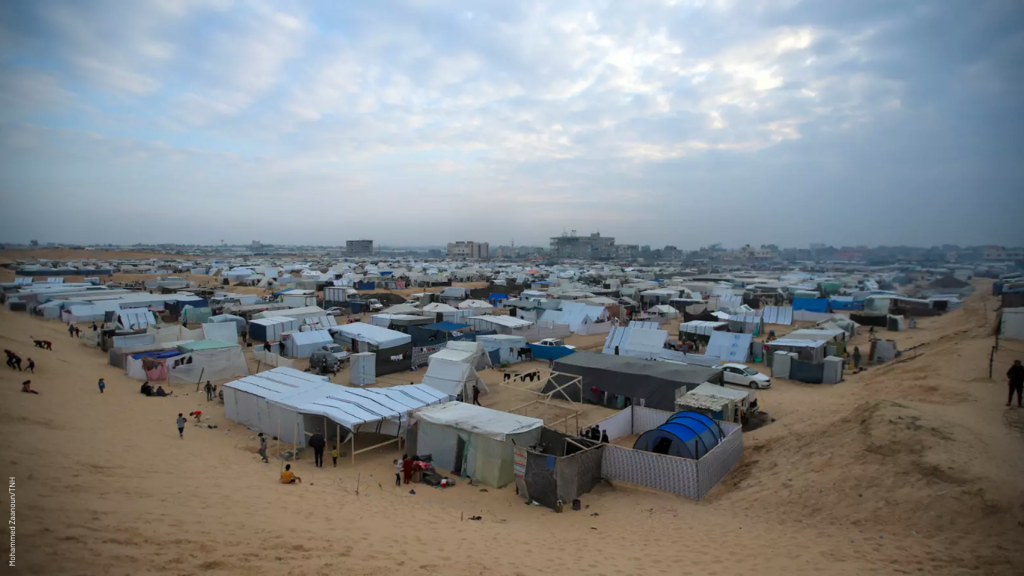
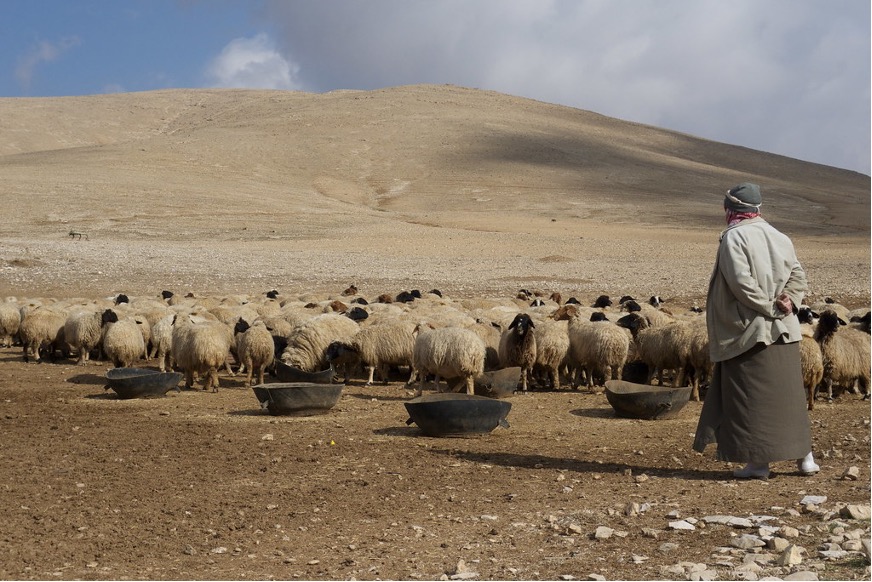
Helping Food Security Partners Gain Insight into Gaza's Response Amid Famine Concerns
As famine looms in Gaza, iMMAP Inc. Global Surge has deployed Maureen Wangari to the Food Security Sector in Palestine to contribute to gain a better understanding and addressing the gaps in the food security response.
![]()
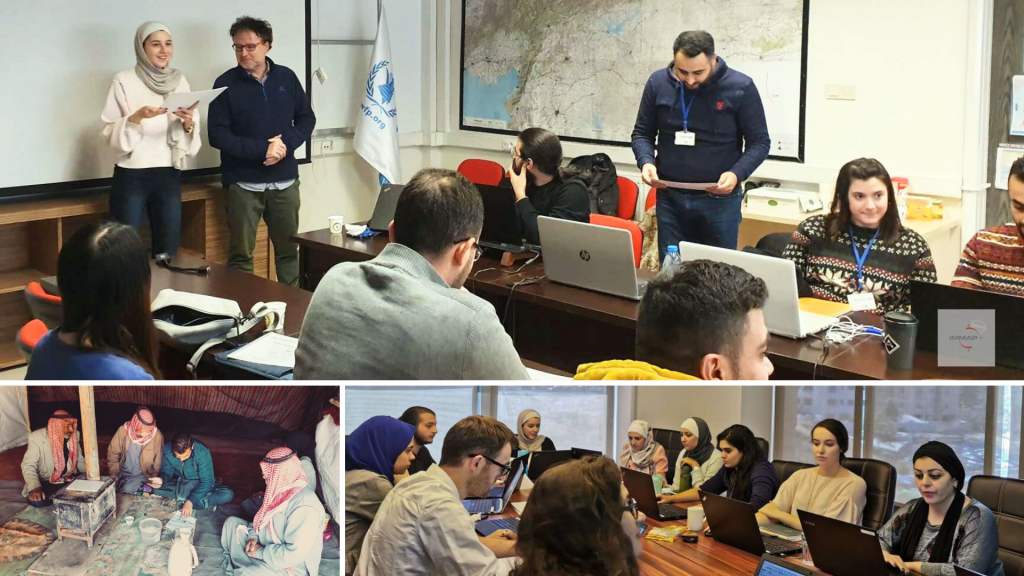
Setting the Benchmark for Data-Driven Humanitarian Response
As iMMAP Inc. conclude its project supporting the humanitarian response in Syria through Information Management, performed by our team based in Amman, Jordan, we reflect on a period of dedicated data-driven humanitarian effort, setting a profound benchmark in the midst of complex regional challenges.
![]()
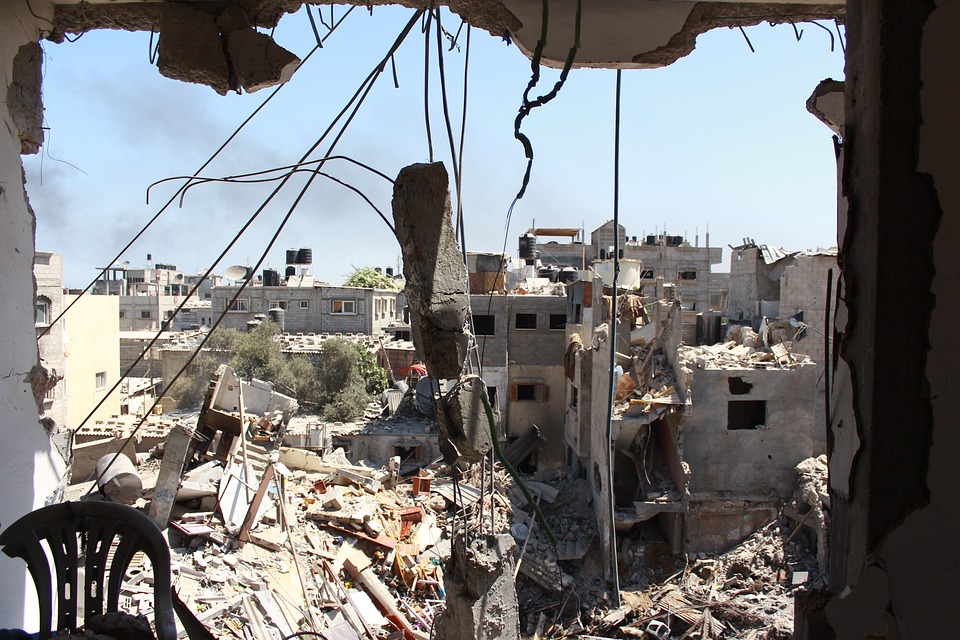
Enhancing Humanitarian Access Security in the Occupied Palestinian Territory through GIS
In late October, Hugo Powell, Global Surge’s GIS specialist, was remotely deployed to the United Nations Department of Safety and Security (UNDSS) in Jerusalem to support security awareness efforts using Geographic Information Systems (GIS).
![]()
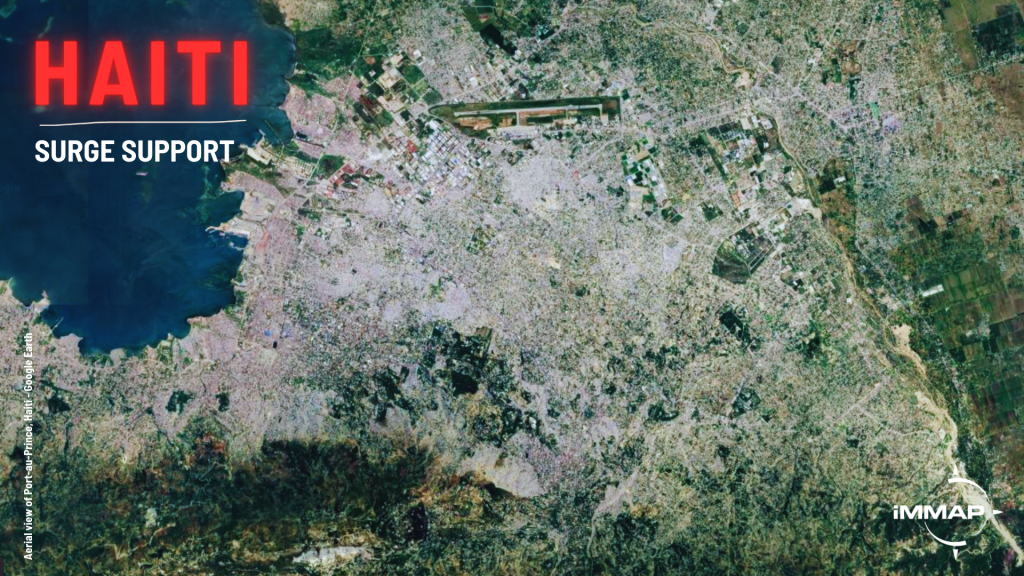
Navigating humanitarian challenges amid armed group violence in Haiti
With armed groups exerting control over extensive areas of the country, humanitarian access is severely impeded. Global Surge deployees are reinforcing their commitment to support international organizations aiding vulnerable populations.
![]()
Present and Future of Principled Humanitarian Aid in Northwest Syria
In its Ad Hoc report series, iMMAP Inc. highlights the structural issues in Northwest Syria’s humanitarian landscape and possible paths forward.
![]()
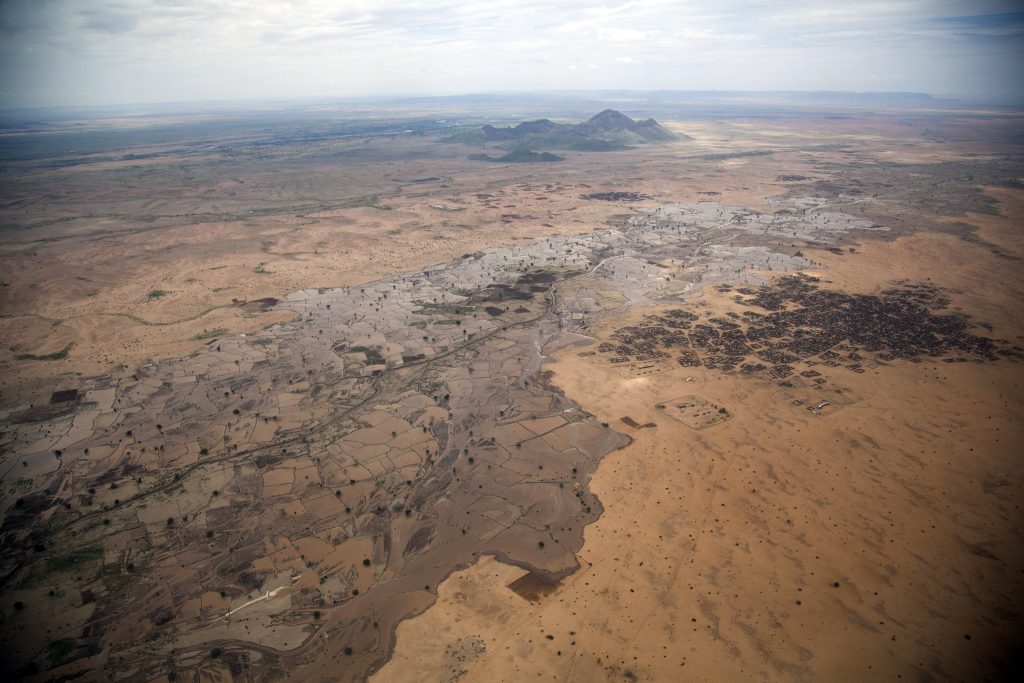
Scaling up amid Sudan's crisis: Surge deployees in action
Nine Information Management Officers (IMOs) are currently deployed by our Global Surge Team at iMMAP Inc. to provide IM capacity to the humanitarian actors engaged in the response.
![]()
iMMAP Inc.'s Strategic Expansion into DRC, Sudan, and Somalia
To enhance data-driven aid interventions, iMMAP Inc. launched new programs in 2023 in the Democratic Republic of Congo, Sudan, and Somalia.
![]()
Climate and Conflict Convergence Alter the Northeast Syria Dairy Landscape
Northeast Syria's dairy value chain grapples with a myriad of production challenges, including by economic hurdles, environmental changes, and conflict legacies.
![]()
From Data to Action: iMMAP Inc. Unveils Powerful Tool for Disaster Response in Afghanistan
iMMAP Inc. is taking a significant step in bolstering disaster preparedness and response efforts in Afghanistan with the launch of its innovative geospatial platform, the Humanitarian Spatial Data Center (HSDC).
![]()
Assessing the Information Management Gaps in Afghanistan's Humanitarian Response
A recent survey conducted by iMMAP Inc. Afghanistan reveals significant gaps in Information Management (IM) capacities among partner organizations responding to the humanitarian crisis.
![]()
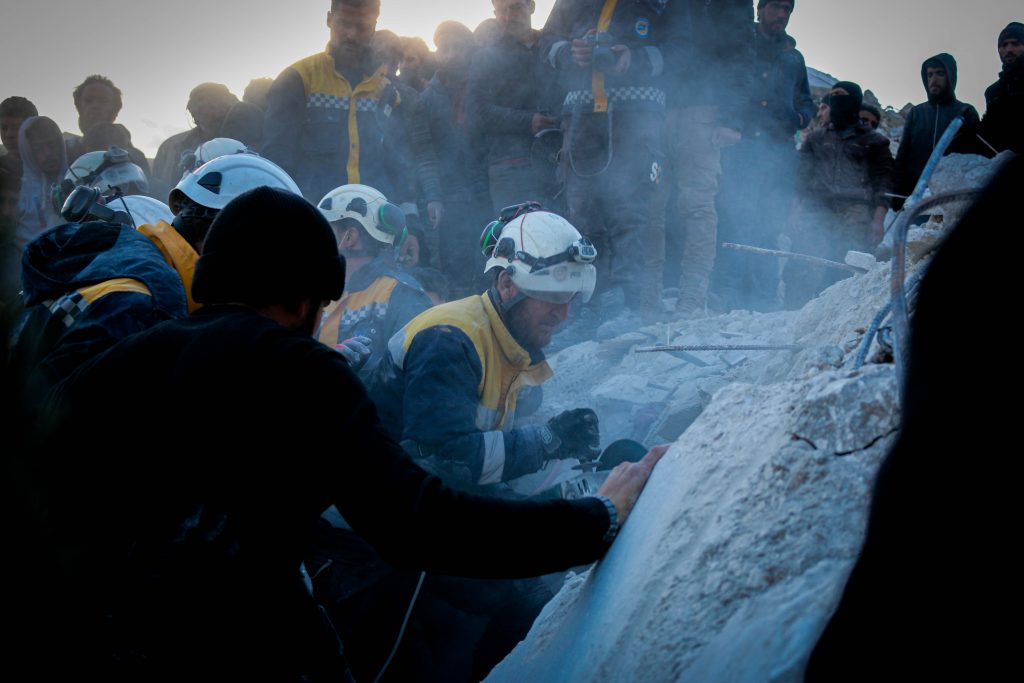
iMMAP Inc.'s Crucial Assessment Reveals Strained Bread Supply Chain in Post-Earthquake Northwest Syria
Food insecurity looms over Northwest Syria as earthquake destructions choke local bread supplies and productions.


Current iMMAP Inc. Operations
Global Humanitarian Response
- USA HQ Washington, D.C.
- Afghanistan Kabul
- Colombia Bogota
- DRC Kinshasa
- Ethiopia Addis Ababa
- Iraq Erbil/Baghdad/Basra
- Jordan Amman
- Nigeria Abuja/Maiduguri
- Ukraine Kyiv
- Somalia
- Sudan
- Syria Northeast Syria
- Yemen Sana'a
Our services
Take a look inside
Data Collection
Data Management
Data Visualization
Information Systems
Process Digitization
Geoinformatic Services
We work with
Partners














































iMMAP Inc Newsletter

Headquarters Washington office
- Email info@immap.org