
From the Newsroom
-
![]()
USAID and US Department of State Stop Work Orders Impacting iMMAP Inc.
iMMAP Inc. has received stop work orders (SWOs) from USAID and the US Department of State, effectively pausing critical funding that supports our humanitarian information management, analysis and surge programs worldwide.
-
![]()
iMMAP Inc. Announces the Launch of ReportHub 2.0: Advancing Humanitarian Reporting in Afghanistan
iMMAP Inc. Afghanistan is excited to announce the launch of ReportHub 2.0, an upgraded reporting platform designed to support humanitarian organizations in Afghanistan.
-
![]()
Global Partnership between the Danish Refugee Council and iMMAP Inc. to Enhance Protection Analysis
Today, we announce the signing of a Memorandum of Understanding (MoU) between the Danish Refugee Council (DRC) and iMMAP Inc.
-
![]()
Joint Statement on Humanitarian Data, Information Management, and Analysis
As specialised H2H organisations committed to providing independent data and analysis, we welcome the increased focus on these issues, particularly within OCHA’s review of its IM and analysis functions.
-
![]()
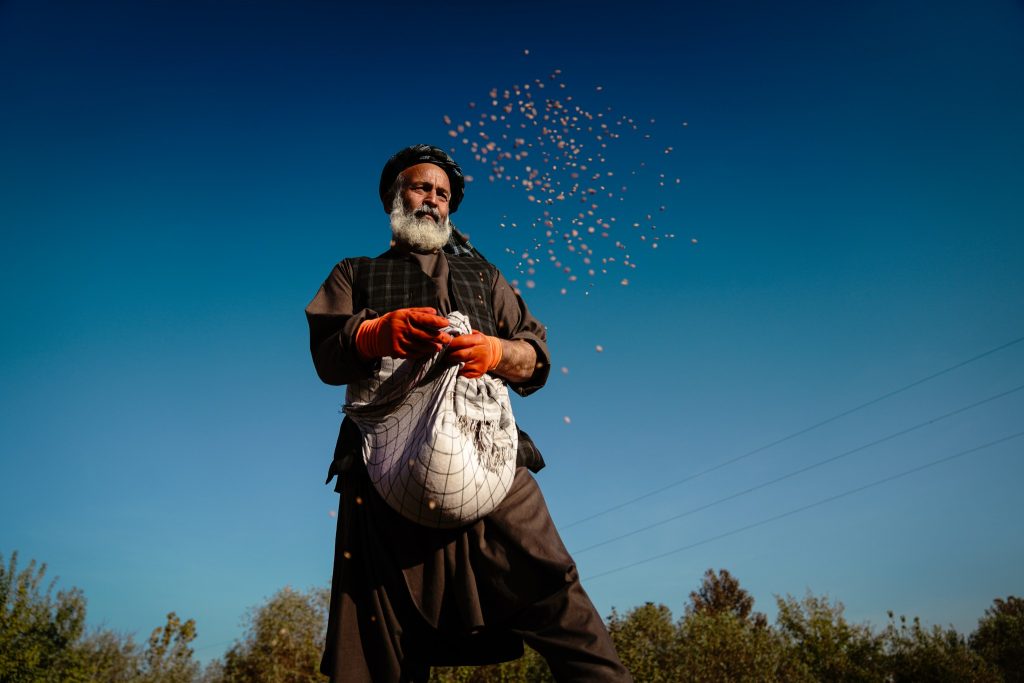
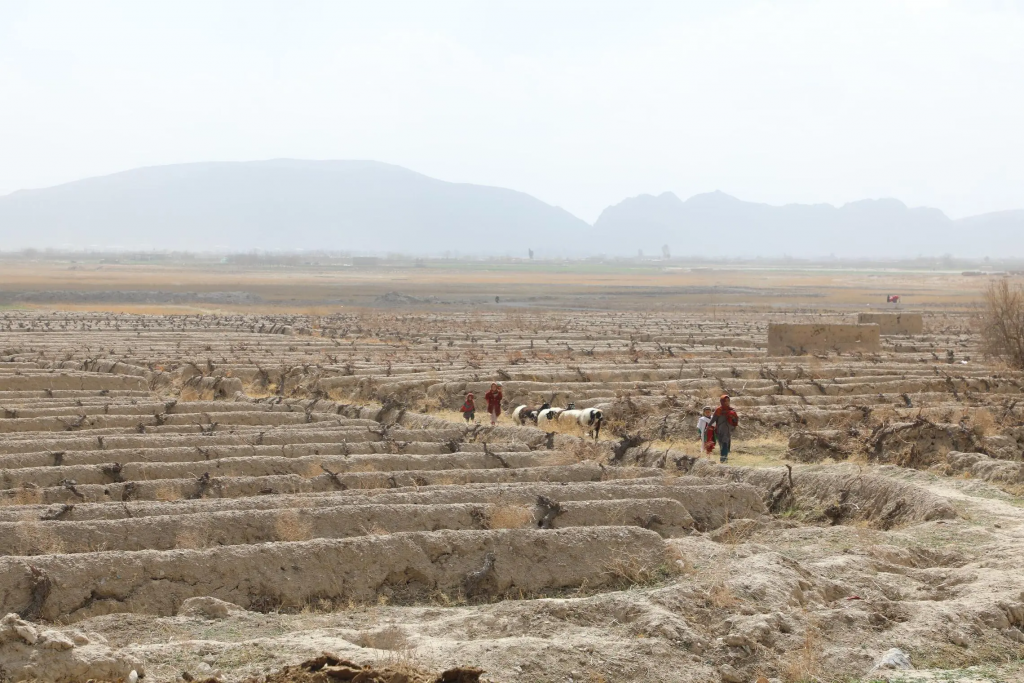
Improving Food Security and Humanitarian Cash Transfer Programming in Afghanistan Through Targeted Research
Our latest studies, using innovative remote data collection, provide crucial insights to improve agriculture and cash-based programs, guiding future interventions.
-
![]()
Afghanistan's Humanitarian Sector Grapples with Data Literacy Challenges
A recent survey of humanitarian organizations in Afghanistan reveals a need for improved data literacy skills among aid workers.
-
![]()
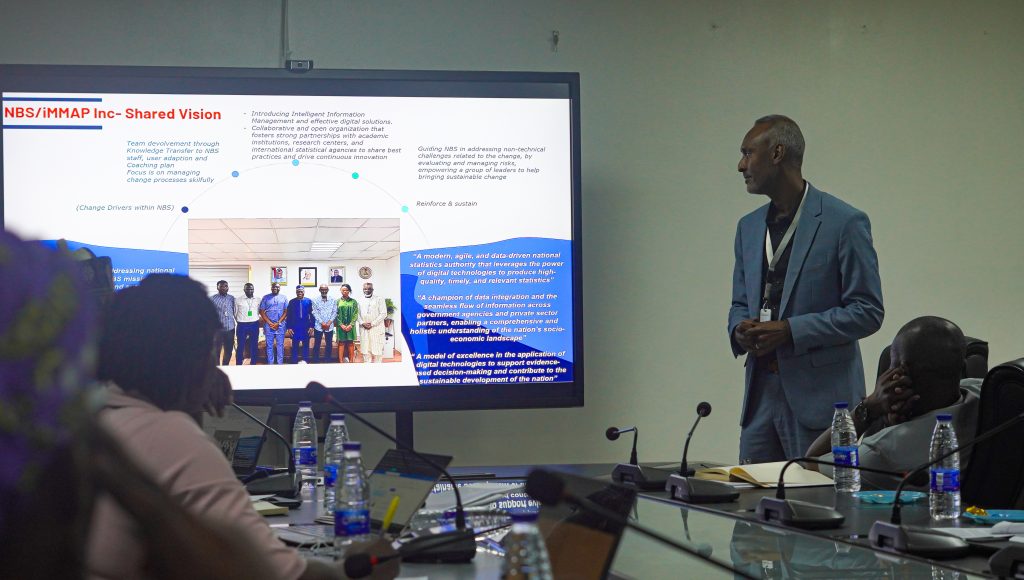
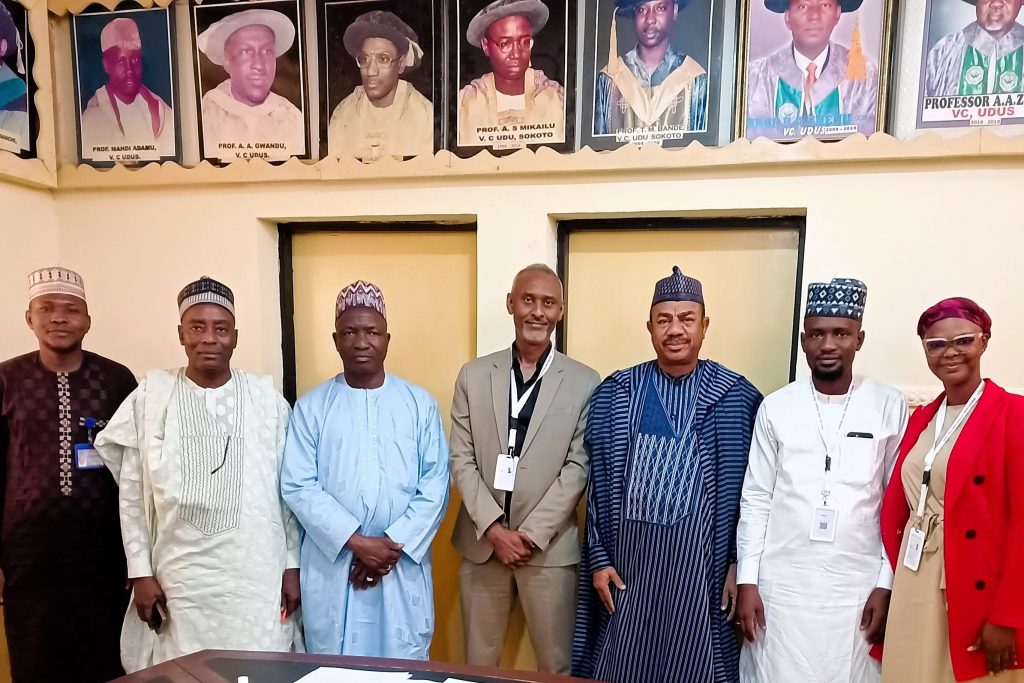
iMMAP Inc. Nigeria Engages with the National Bureau of Statistics on Improved Data Ecosystems
Since the beginning of 2024, iMMAP Inc. has been actively engaging with the National Bureau of Statistics (NBS), the federal body that coordinates the production of official statistics in Nigeria, to collaborate on data, information, and knowledge management development.
-
![]()
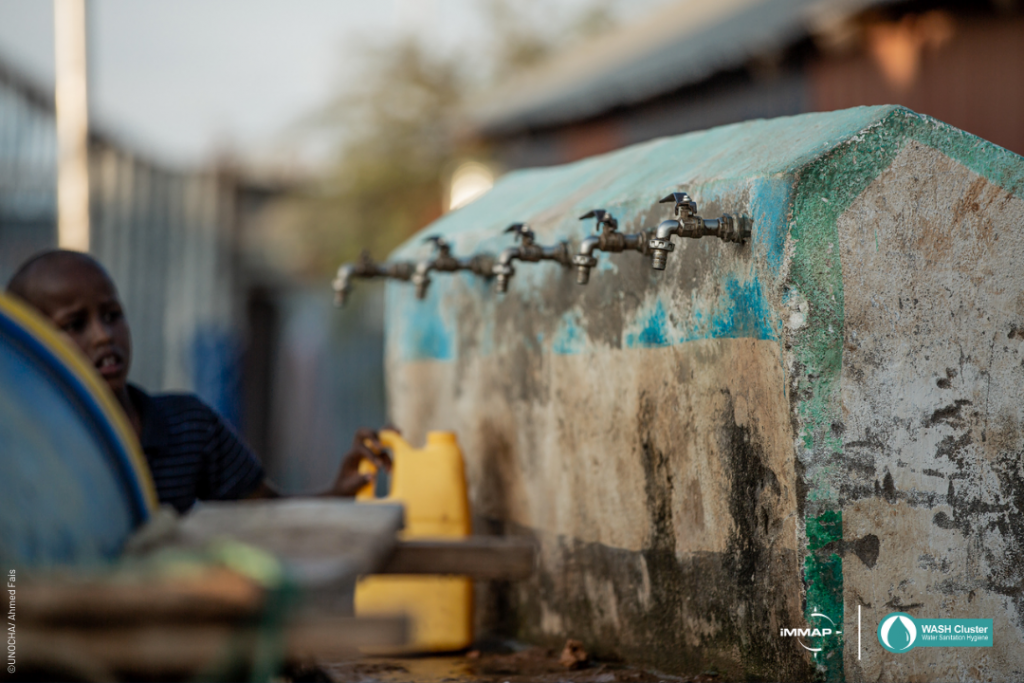
iMMAP Inc. partners with leading organizations to address global WASH coordination needs
As an estimated 168.2 million people will need humanitarian WASH assistance in 2024, iMMAP Inc. proudly joins the Global WASH Cluster (GWC) Field Support Team (FST) Consortium, emphasizing our unwavering commitment to crucial global WASH initiatives.
-
![]()
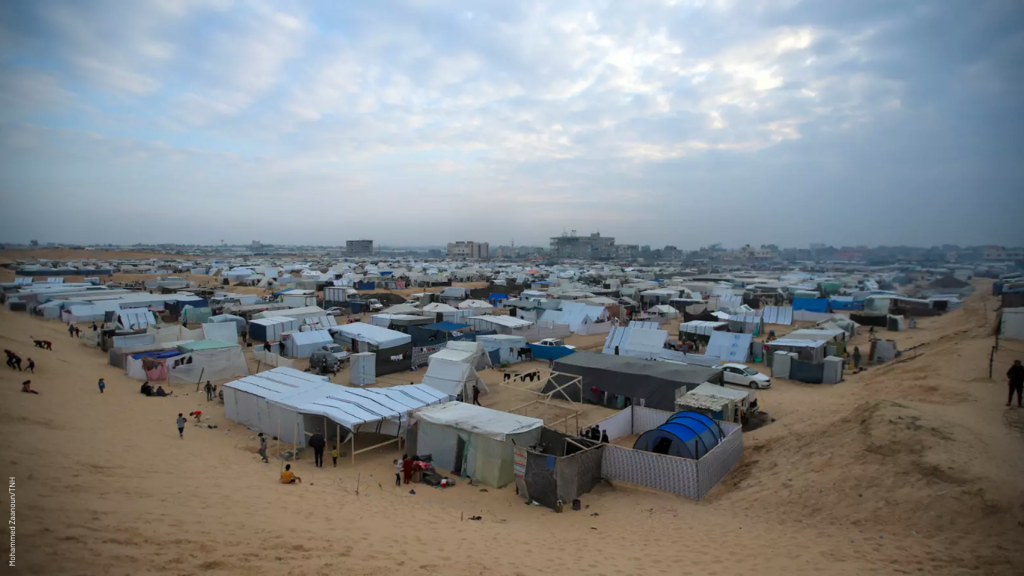
Helping Food Security Partners Gain Insight into Gaza's Response Amid Famine Concerns
As famine looms in Gaza, iMMAP Inc. Global Surge has deployed Maureen Wangari to the Food Security Sector in Palestine to contribute to gain a better understanding and addressing the gaps in the food security response.
-
![]()
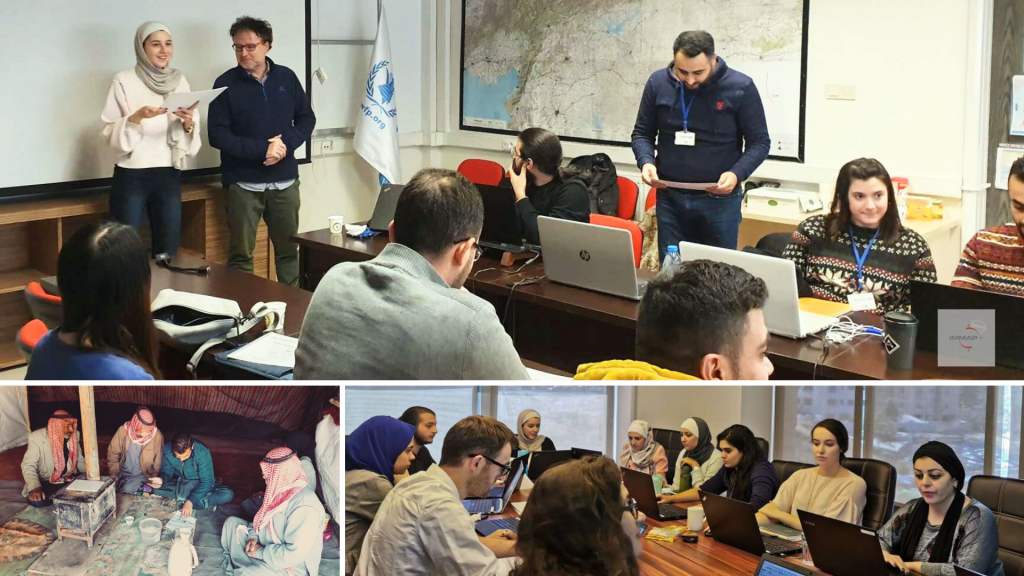
Setting the Benchmark for Data-Driven Humanitarian Response
As iMMAP Inc. conclude its project supporting the humanitarian response in Syria through Information Management, performed by our team based in Amman, Jordan, we reflect on a period of dedicated data-driven humanitarian effort, setting a profound benchmark in the midst of complex regional challenges.
-
![]()
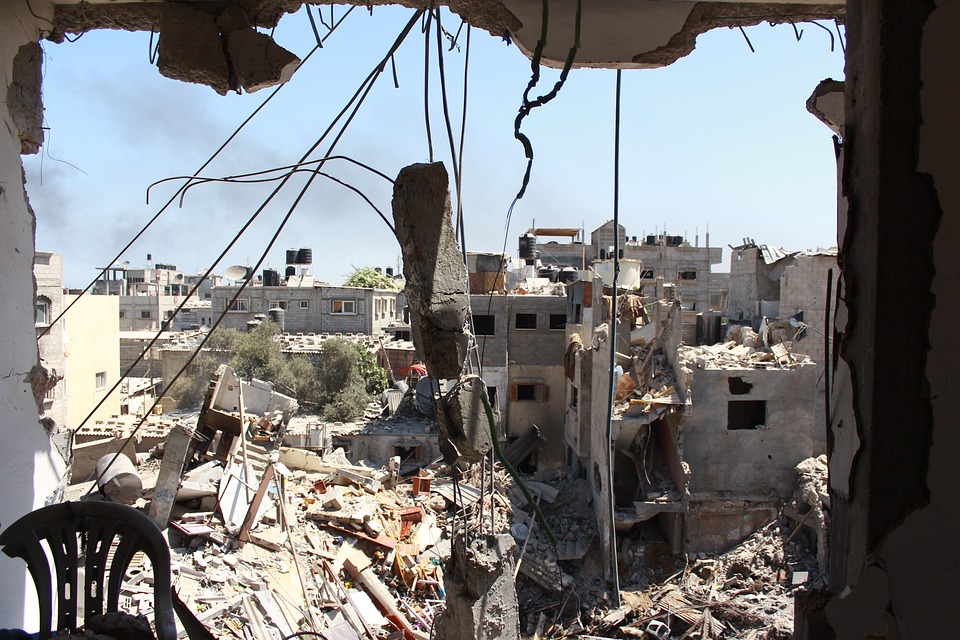
Enhancing Humanitarian Access Security in the Occupied Palestinian Territory through GIS
In late October, Hugo Powell, Global Surge’s GIS specialist, was remotely deployed to the United Nations Department of Safety and Security (UNDSS) in Jerusalem to support security awareness efforts using Geographic Information Systems (GIS).
-
![]()
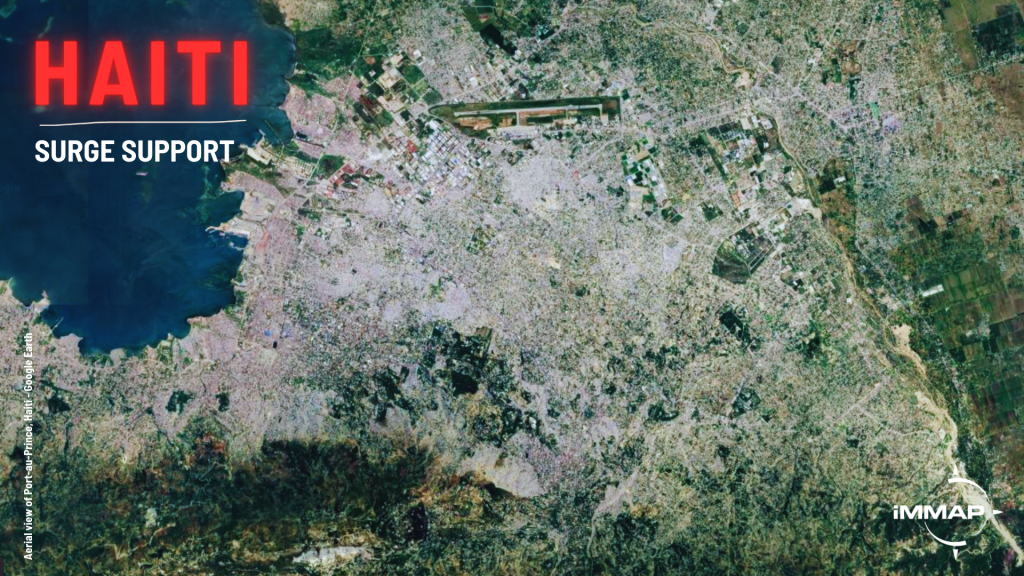
Navigating humanitarian challenges amid armed group violence in Haiti
With armed groups exerting control over extensive areas of the country, humanitarian access is severely impeded. Global Surge deployees are reinforcing their commitment to support international organizations aiding vulnerable populations.
Current iMMAP Inc. Operations
Global Humanitarian Response
- USA HQ Washington, D.C.
- Afghanistan Kabul
- Ethiopia Addis Ababa
- Iraq Erbil/Baghdad/Basra
- Jordan Amman
- Nigeria Abuja/Maiduguri
- Ukraine Kyiv
- Somalia
- Yemen Sana'a
Our services
Take a look inside
Data Collection
Data Management
Data Visualization
Information Systems
Process Digitization
Geoinformatic Services
We work with
Partners





















































iMMAP Inc Newsletter

Headquarters Washington office
- Email contact@immap.org